
In today’s competitive job market, academic degrees alone are often not enough to stand out. Employers increasingly look for proof that candidates have practical, job-ready skills. This is where professional certifications come in. When selected wisely, they provide a measurable resume boost and signal credibility, commitment, and expertise to hiring managers.
Professional certifications validate your skills through structured learning and standardized assessment. Whether you are a student, a career switcher, or an experienced professional, certifications can strengthen your resume and help you compete globally in markets such as the United States, the United Kingdom, and India.
This article explains what professional certifications are, why they matter, how they offer a resume boost, and how to choose and present them effectively.
What Are Professional Certifications?
Professional certifications are credentials awarded by recognized organizations after a candidate completes specific training or passes an examination. Unlike degrees, which are broad and academic, certifications focus on practical, role-specific skills.
They are typically designed to meet industry standards and are updated regularly to reflect real-world requirements. This makes them especially valuable for employers who want candidates ready to perform from day one.
Key characteristics of professional certifications include:
- Focused skill validation
- Industry or vendor recognition
- Time-bound learning and assessment
- Alignment with job roles

Why Professional Certifications Matter in Modern Hiring
Recruiters today face thousands of applications for a single role. Professional certifications help filter candidates quickly by signaling verified expertise.
Across the US, UK, and India, employers value certifications because they:
- Reduce training time and cost
- Demonstrate continuous learning
- Validate practical knowledge
- Support standardized skill assessment
For candidates, this translates into a clear resume boost, especially when competing against applicants with similar educational backgrounds.
How Professional Certifications Provide a Resume Boost
A resume boost is not just about adding more lines to your resume. It is about improving its impact, relevance, and credibility.
1. They Validate Skills, Not Just Education
Degrees show what you studied. Certifications show what you can do. This distinction matters to employers looking for immediate contributors.
2. They Improve Keyword Matching for ATS
Many companies use Applicant Tracking Systems. Certified skills often match keywords recruiters search for, increasing your chances of passing automated screenings.
3. They Signal Commitment to Career Growth
Certifications demonstrate that you invest time and effort into professional development. This is especially important for early-career professionals.
4. They Support Career Transitions
If you are switching fields, certifications help bridge the experience gap and provide proof of competence in a new domain.
Who Benefits Most from Professional Certifications?
Professional certifications are useful at every career stage.
- Students and fresh graduates use them to gain credibility without extensive work experience.
- Mid-career professionals use them to specialize or move into leadership roles.
- Career switchers rely on them to validate new skills quickly.
- Freelancers and consultants use them to build client trust.
In all cases, certifications deliver a resume boost by aligning skills with employer expectations.

Types of Professional Certifications That Employers Value
Not all certifications offer the same impact. Choosing the right type is critical.
1. Skill-Based Certifications
These focus on specific, measurable skills. They are ideal for beginners and professionals upgrading their expertise.
Examples include certifications in project coordination, data handling, communication, or software tools.
2. Role-Based Certifications
Designed for specific job roles, these certifications align directly with career paths such as management, analysis, or technical operations.
3. Vendor-Neutral Certifications
These focus on general principles rather than specific tools, making them valuable across industries and regions.
4. Vendor-Specific Certifications
These are tied to particular platforms or systems. They can provide a strong resume boost when the employer uses those tools.
How to Choose the Right Professional Certification
Choosing the wrong certification can waste time and money. Follow a structured approach.
1. Match Certification to Career Goals
Start by identifying roles you are targeting. Review job descriptions and note required or preferred certifications.
2. Check Industry Recognition
A certification should be recognized by employers, not just training providers.
3. Evaluate Learning Outcomes
Ensure the certification teaches practical, applicable skills rather than only theoretical concepts.
4. Consider Time and Cost
Balance affordability with value. A shorter, well-recognized certification can offer a better resume boost than a long, obscure program.
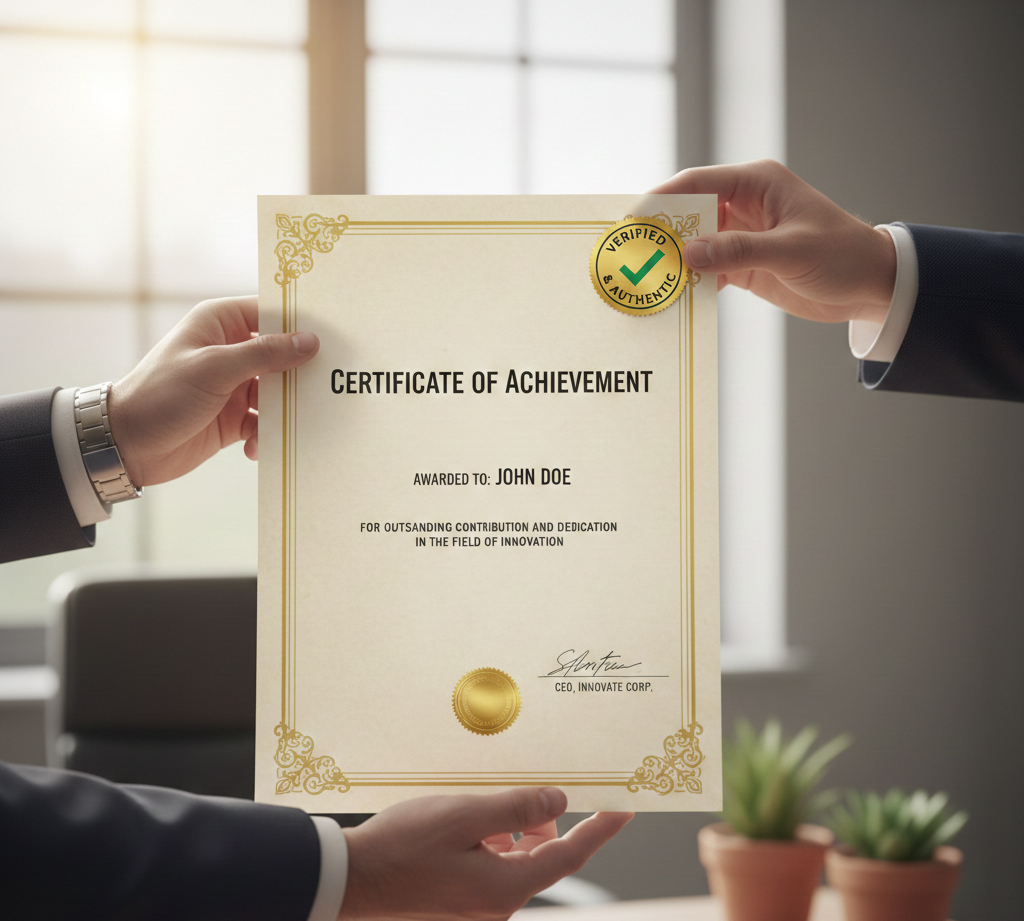
How to Add Professional Certifications to Your Resume
Presentation matters as much as selection.
1. Create a Dedicated Certifications Section :
List certifications clearly with the credential name, issuing organization, and completion year.
2. Integrate Certifications into Experience
Mention certifications within job descriptions to show how skills were applied in real work.
3. Highlight Certifications in the Summary
Including key certifications in your resume summary immediately signals expertise.
Future of Professional Certifications
The demand for professional certifications is growing as industries evolve rapidly. Employers increasingly prefer modular learning and continuous upskilling over one-time degrees.
Certifications will continue to offer a strong resume boost by adapting faster to market needs.

Conclusion: Using Professional Certifications for a Sustainable Resume Boost
Professional certifications are more than resume fillers. When chosen strategically, they validate skills, demonstrate commitment, and align your profile with employer expectations.
For beginners, they build credibility. For experienced professionals, they sharpen specialization. For career switchers, they open new doors.
If your goal is a meaningful resume boost, focus on relevant, recognized professional certifications and present them clearly. Combined with practical experience and strong communication, they can significantly improve your career prospects.